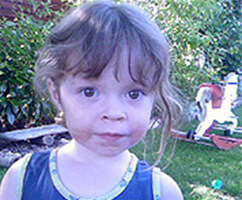
Three year-old Eva Winston-Hart from Leicestershire in the UK is getting better by the day after undergoing stem cell surgery a few months ago in America to treat her leukemia.
Last November three year-old Eva Winston-Hart from Market Harborough, was diagnosed with a rare form of leukemia.
Her need for a life-saving bone marrow transplant triggered off a search for a match, which finally, and somewhat surprisingly, resulted in a suitable donor being found in the United States.
A few months ago the extremely brave Eva underwent that all-important surgery. Amy Winston-Heart (mother) is very pleased with Eva’s recovery; she is starting to put on weight and it is clear that she feels much better in herself “She’s doing really, really well, improving everyday.”
The family is now just waiting on a final bone-marrow result which they should have in the next week to check if any leukemia cells remain.
BBC.co.uk 20th September 2007
What is Leukemia?
Leukemia affects white blood cells, which are part of the body’s defence against infection. It can develop quickly (acute), or more slowly (chronic).
Cord blood stem cells have the ability to re-grow the bone marrow through a transplant using autologous stem cells (the term used when the patient’s own cells are used).
Why is this relevant to the United States?
Eva’s story highlights the importance of international stem cell registries and donor cooperation. Although her matching donor was found in the United States, patients across America also depend on both domestic and international registries to identify suitable stem cell donors when a family match is unavailable.
For families who choose to privately bank their baby’s cord blood, another option may be available in the future. A child’s own stored stem cells, or those of a compatible sibling, can be immediately accessed if they are considered clinically appropriate, without the need to search for an unrelated donor.
Learn more about stem cell usage?
Cells4Life stores cord blood samples exclusively for the families who choose private banking. Each sample is reserved for the family that banked it and is not shared with public donor registries, offering added peace of mind that it remains available for their own potential future use.
Need to know more before making a decision? You can talk to our team on (404) 421-4280.